

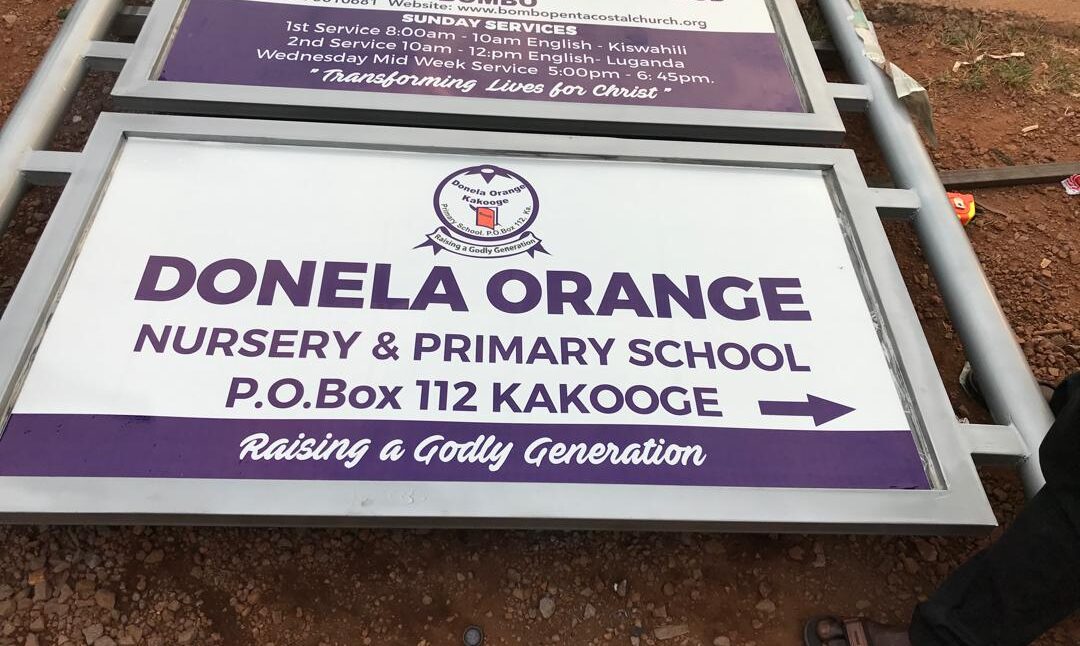
Effective signage is more than just a decorative element—it’s a powerful tool that communicates your brand, attracts customers, and enhances your business’s professional image. In Uganda, where competition is growing in urban centers like Kampala, Entebbe, and Jinja, well-designed signage can make the difference between being noticed or overlooked. Following best practices in signage design ensures your business stands out while maintaining clarity, visibility, and brand consistency.
1. Keep Your Design Simple and Clear
Clarity is key when it comes to signage. Busy or cluttered designs can confuse potential customers and dilute your message. Focus on a clean layout with a clear brand logo, concise text, and limited colors. Using simple fonts and avoiding excessive graphics ensures your signage is readable from a distance, whether it’s a storefront sign, billboard, or vehicle wrap.
2. Prioritize Visibility and Readability
A well-designed sign must be easy to read from various distances and angles. Consider font size, color contrast, and placement when designing your signage. For outdoor signs, make sure letters are large enough and colors stand out against the background. Illuminated or backlit signage can further enhance visibility at night, helping your business attract attention 24/7.
3. Use Brand Colors and Consistent Messaging
Signage should reflect your overall brand identity. Use consistent colors, logos, and messaging across all signs, including indoor, outdoor, and vehicle graphics. This helps reinforce brand recognition and ensures customers immediately associate the signage with your business. Consistency in design also builds trust and professionalism, which is crucial in competitive markets.
4. Consider Location and Environment
The placement of your signage is as important as the design itself. Evaluate where your sign will be displayed and adapt the design accordingly. For high-traffic streets or busy shopping areas, large, bold signage with eye-catching colors works best. For indoor signage, focus on guiding customers and enhancing the store experience. Materials should also be weather-resistant for outdoor signs to withstand Uganda’s climate.
5. Work with Professional Designers and Signage Providers
While DIY designs are tempting, professional signage designers and providers like Signexa can ensure your signage is visually appealing, durable, and aligned with your brand. They can advise on the best materials, colors, and finishes, as well as provide installation and maintenance services. Investing in professional signage design saves time, ensures quality, and maximizes the impact of your marketing efforts.
In conclusion, following signage design best practices—keeping it simple, readable, consistent, and well-placed—can significantly improve your business’s visibility and brand perception. Ugandan businesses that invest in thoughtful, professional signage enjoy stronger brand awareness, higher customer engagement, and a competitive edge in the marketplace.


