

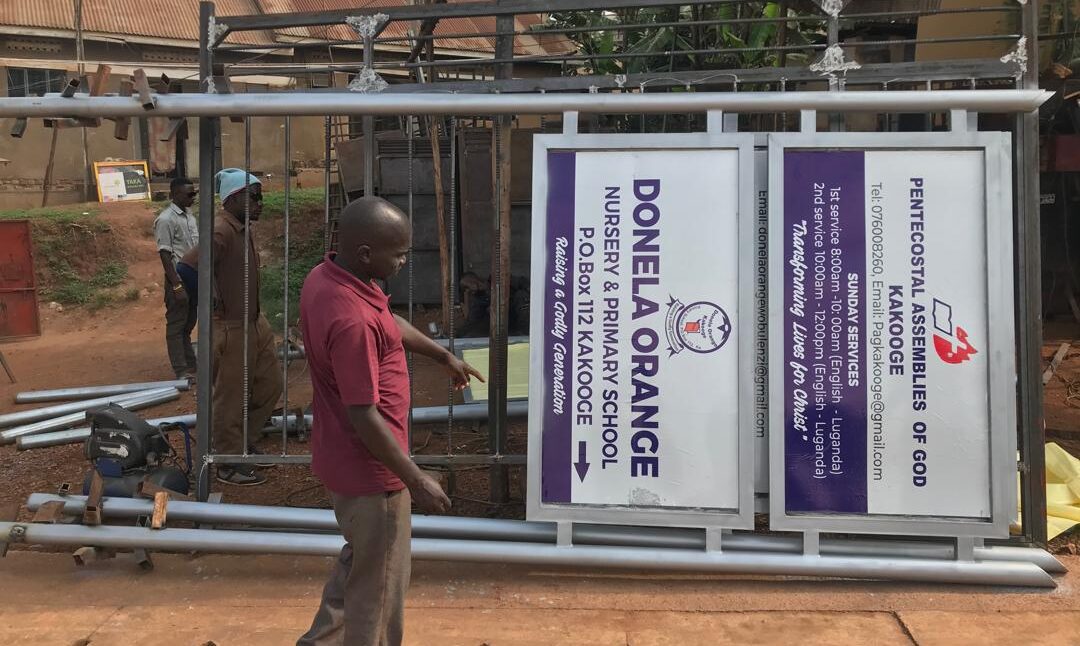
For construction developers in Uganda, signage plays a vital role in project communication, safety, regulatory compliance, and brand visibility. From large project hoardings to safety signs on site, well‑designed signage helps protect workers, inform the public, and promote the developer’s brand throughout the lifecycle of a construction project.
Why Construction Signage Is Important
Construction signage isn’t just a formality — it’s a practical communication tool that improves on‑site safety and project awareness. Clearly marked signs can alert workers and visitors to hazards, outline emergency routes, and convey mandatory safety information, helping reduce accidents and injuries on site. Lack of proper signage has even been linked to legal and safety issues on projects, including investigations following incidents where warnings were insufficient.
Beyond safety, construction signage also serves informational and branding purposes. Project boards that include the developer’s name, contractor details, timelines, and contact information improve transparency and can enhance trust with nearby communities and stakeholders. Informational and wayfinding signs help guide workers and visitors, while environmental signs encourage good practices such as waste separation and restricted access zones.
Types of Construction Signage Developers Need
Safety Signs — Signs like Danger, Caution, No Entry, and Hard Hat Area are essential for communicating hazards and safety procedures. These signs typically use clear symbols and bold colors to convey messages instantly.
Project Information Boards — Large hoardings or billboards at the site entrance that show the project name, developer and contractor logos, start and completion dates, and emergency contact details help convey professionalism and compliance.
Traffic and Directional Signs — Where construction is near roads or pedestrian routes, signage directing vehicles, indicating speed limits, or showing crossing points helps manage site traffic and improve public safety.
Environmental & Compliance Signs — Signs that communicate No Dumping, Recycle Waste, or other environmental directives help enforce standards and minimize the project’s environmental impact.
Materials and Best Practices for Construction Signage
Since construction sites are harsh environments, signage must be durable and weather‑resistant. Materials such as aluminum, PVC, correx board, and reflective sheeting are commonly used because they withstand rain, sun, and dust while maintaining visibility. Reflective or illuminated signs improve legibility in low light, which is especially important for sites operating early in the morning or into the evening.
Signs should be strategically placed at entrances, near hazards, along pedestrian routes, and where instructions are most needed. High contrast colors and large, easy‑read fonts ensure messages are understood quickly — a crucial factor when workers and visitors move through busy, active sites.
Branding and Professional Signage Solutions
For construction developers who want signage that not only informs but also reflects professionalism and brand identity, partnering with expert signage providers can make a significant difference. Two leading companies in Uganda known for comprehensive signage solutions include:
Signexa Branding & Signage Limited — Signexa offers full‑service signage design and fabrication tailored to developers and construction projects. Their services include large project hoardings, branded site boards, safety signage, wayfinding systems, and durable outdoor signage designed for visibility and compliance throughout the construction phase.
BrandAds Limited — BrandAds is a national signage and printing expert that creates custom project signage, banners, and branded displays suitable for construction sites. They use durable materials and professional fabrication techniques to ensure your signage remains impactful and long‑lasting even under tough site conditions.
Conclusion
Construction developer signage in Uganda extends far beyond simple boards on site. It’s a critical part of safety management, regulatory compliance, and brand communication. By investing in well‑designed, durable signage and working with professional providers like Signexa and BrandAds, developers can enhance site safety, reinforce their brand presence, and communicate effectively with workers, visitors, and the public throughout every phase of a project.
