Choosing the right materials is a critical step in creating effective signage for your business. In Uganda, where weather conditions can vary from heavy rain to intense sun, selecting durable, high-quality materials ensures that your signage remains visually appealing and long-lasting. The right materials not only enhance the look of your brand but also reduce maintenance costs and improve customer perception. This guide breaks down the most common signage materials used by businesses in Uganda.
1. Aluminum
Aluminum is one of the most popular materials for outdoor signage in Uganda due to its durability and resistance to rust and corrosion. It’s lightweight, easy to install, and can be painted or coated with vinyl for vibrant designs. Aluminum works well for shop signs, directional signs, and billboards, making it a versatile choice for both small and large businesses.
2. Acrylic
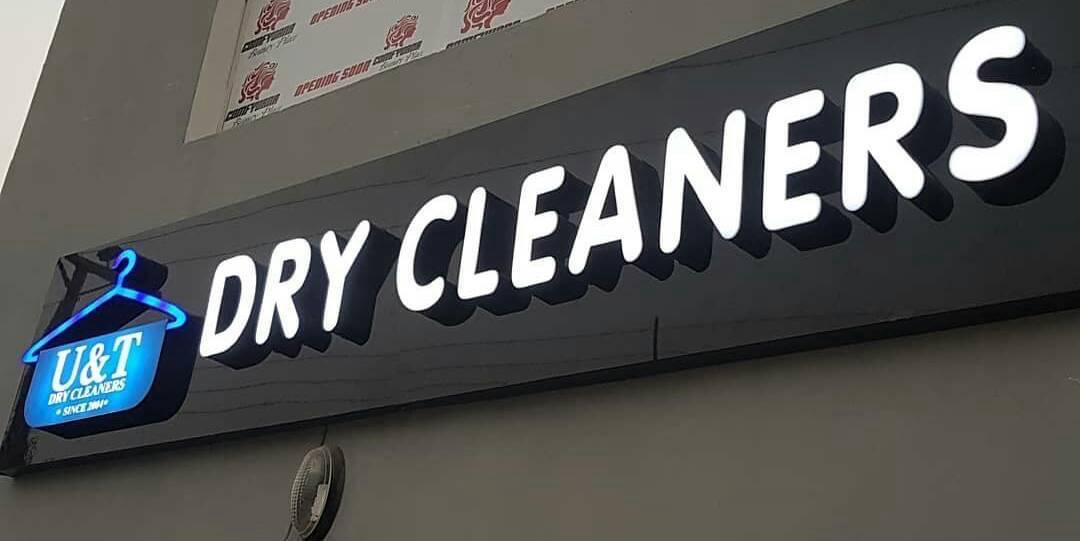
Acrylic, also known as plexiglass, is a premium material commonly used for indoor and illuminated signage. It has a polished, professional look and is highly versatile for cut-out letters, logos, and decorative panels. Acrylic is resistant to scratches and UV rays, making it ideal for modern office spaces, reception areas, and corporate branding.
3. PVC and Foam Boards
PVC (polyvinyl chloride) and foam boards are lightweight, cost-effective materials suitable for temporary or semi-permanent signage. They are ideal for indoor displays, promotional posters, event signage, and trade shows. While less durable than aluminum or acrylic, these materials are easy to print on and can be replaced quickly when needed.
4. Vinyl
Vinyl is widely used for banners, vehicle wraps, and large-format signs in Uganda. It’s flexible, weather-resistant, and available in various finishes, including matte, gloss, and reflective. Vinyl can be applied directly to walls, windows, vehicles, or boards, making it a highly adaptable option for both outdoor and indoor branding.
5. Wood and MDF
Wood and Medium-Density Fiberboard (MDF) provide a rustic, high-end aesthetic for certain types of business signage. They are often used for restaurants, boutique stores, and artisanal brands. While wood requires protective coatings to withstand Uganda’s rainy seasons, it creates a unique, tactile appeal that sets a brand apart.
6. Digital Materials
For LED, LCD, and interactive signage, digital displays use materials like aluminum frames, acrylic covers, and tempered glass to house screens. Digital signage is increasingly popular in Uganda for malls, corporate offices, and busy commercial areas because it allows for dynamic content that can be updated in real time.
Conclusion
Choosing the right signage material is essential for durability, visibility, and brand impact. Businesses in Uganda should consider factors such as location, weather exposure, budget, and branding goals when selecting materials. Working with professional signage providers like Signexa ensures that your signage is designed and installed using materials best suited for long-lasting results. Proper material selection helps your brand remain vibrant, professional, and memorable for years to come.